The Role of Fibre in Feeling Satisfied
Published February 2026 | Educational Article
What Is Dietary Fibre?
Dietary fibre is a carbohydrate component found in plant-based foods that the human digestive system cannot break down into individual sugar molecules. Unlike other carbohydrates, fibre passes through the digestive system largely intact, affecting how the body processes food and signals satiety.
There are two main types of dietary fibre: soluble and insoluble, each with distinct properties and sources.
Soluble Fibre
Soluble fibre dissolves in water, forming a gel-like substance in the digestive tract. This affects how quickly food moves through the stomach and intestines, and influences how glucose is absorbed.
Sources include: oats, barley, beans, lentils, apples, citrus fruits, and carrots.
Insoluble Fibre
Insoluble fibre does not dissolve in water and moves relatively intact through the digestive system. It adds bulk to stool and promotes regular bowel movements.
Sources include: whole wheat, bran, nuts, seeds, beans, and the skins of fruits and vegetables.
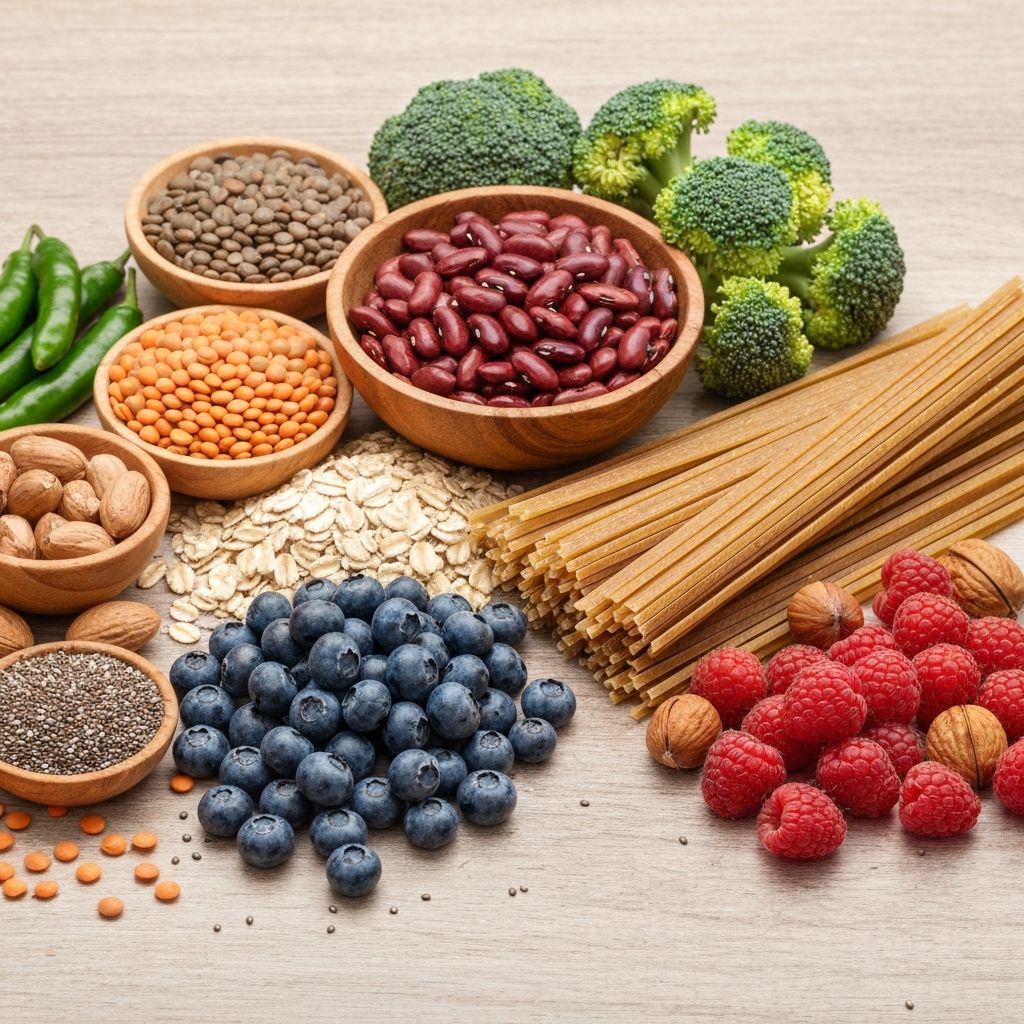
Fibre-rich foods across multiple food categories
How Fibre Affects Satiety
Satiety refers to the feeling of fullness and satisfaction after eating. Research shows several mechanisms by which fibre contributes to satiety:
- Increased stomach volume: Fibre-rich foods create more volume with fewer calories, signalling fullness to the brain
- Slower gastric emptying: Soluble fibre slows the rate at which food leaves the stomach, prolonging the feeling of fullness
- Blood sugar regulation: Fibre slows glucose absorption, preventing rapid blood sugar spikes and subsequent crashes that trigger hunger
- Gut hormone signalling: Fibre stimulates the release of hormones that signal satiety to the central nervous system
Digestive and Metabolic Health
Beyond satiety, dietary fibre supports digestive and metabolic health in multiple ways:
- Gut microbiota: Fibre serves as a prebiotic, feeding beneficial bacteria in the intestines
- Bowel regularity: Adequate fibre intake supports consistent, healthy bowel movements
- Cholesterol and lipid profiles: Soluble fibre can help reduce circulating cholesterol levels
- Metabolic function: Stable blood sugar and consistent energy support overall metabolic health
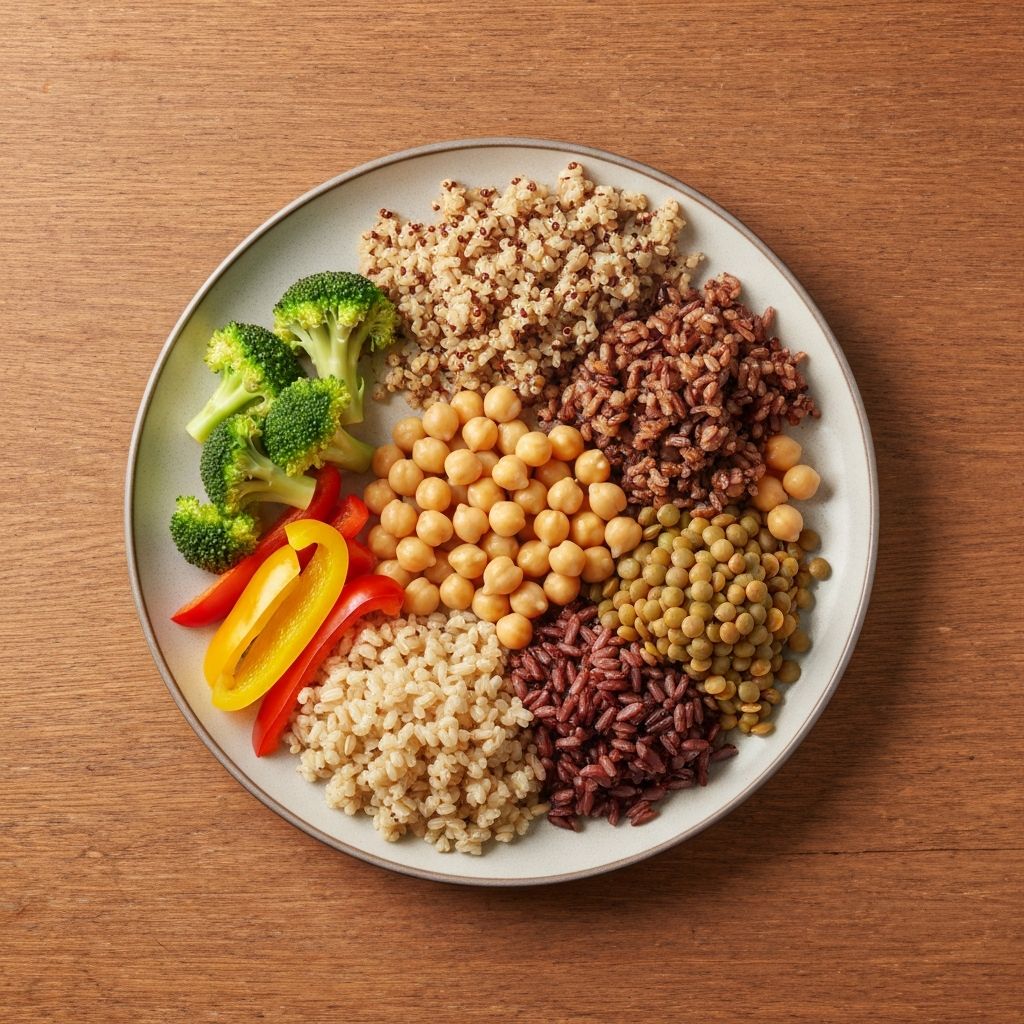
Fibre-rich meals support digestive health
Practical Sources of Dietary Fibre
Including adequate fibre is straightforward through whole foods:
- Vegetables: Broccoli, carrots, Brussels sprouts, sweet potato (with skin), leafy greens
- Fruits: Pears, apples (with skin), raspberries, blackberries, avocados
- Whole grains: Oats, brown rice, whole wheat bread, barley, quinoa
- Legumes: Lentils, chickpeas, black beans, peas
- Nuts and seeds: Almonds, chia seeds, flax seeds, pumpkin seeds
Fibre Intake Recommendations
General recommendations suggest that adults consume 25-35 grams of fibre daily, though individual needs vary. The most important principle is gradual increases from food sources, as rapid fibre increases can cause temporary digestive discomfort. Adequate water intake supports fibre's digestive function.
Integration Into Everyday Eating
Including fibre-rich foods need not be complicated. Simple adjustments include: choosing whole grain bread instead of white, adding vegetables to every meal, snacking on nuts or fruit, and incorporating legumes into soups or salads. These changes create meals that are naturally more satisfying while supporting overall digestive health.